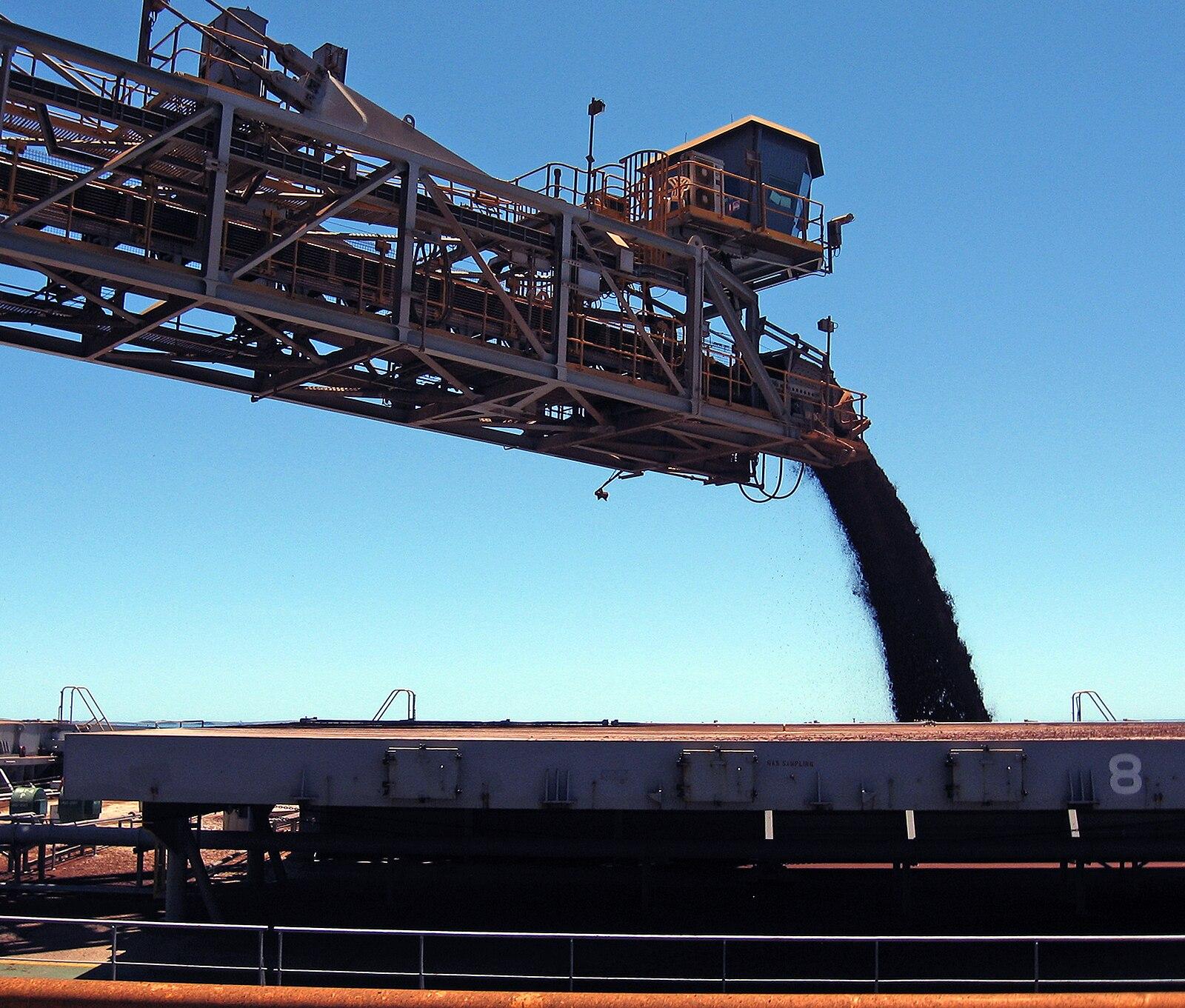
Hancock Prospecting, the private group controlled by Gina Rinehart, held $43.5 billion in net assets at 30 June, against $40.5 billion a year earlier.
Growth without listing
The figure is notable partly for what the company is not. Hancock is private, so it raises no equity from public markets and answers to no quarterly earnings cycle. Growth of roughly $3 billion in net assets came from operations and investment rather than capital raising.
What sits behind it
Iron ore remains the foundation, including the Roy Hill operation and the Hope Downs partnership with Rio Tinto. Around it the group has assembled positions in rare earths, lithium and agriculture, plus a US equities portfolio.
Why the diversification is deliberate
Iron ore is cyclical and heavily exposed to a single export market. Spreading into critical minerals, agriculture and offshore equities reduces the concentration of a business that was, for most of its history, one commodity in one region.
The national context
Australia's resources sector is dominated by listed multinationals. A privately held group of this scale is unusual, and it means decisions of national economic consequence are taken without the disclosure obligations that apply to listed peers.
That is a matter of structure rather than criticism, but it is why the annual net asset figure attracts attention when it is published.
Sources: Investing News Network; Mining.com; Hancock Prospecting.
This article is general information only and is not personal financial or investment advice. Consider your own circumstances and seek licensed professional advice before making financial decisions.