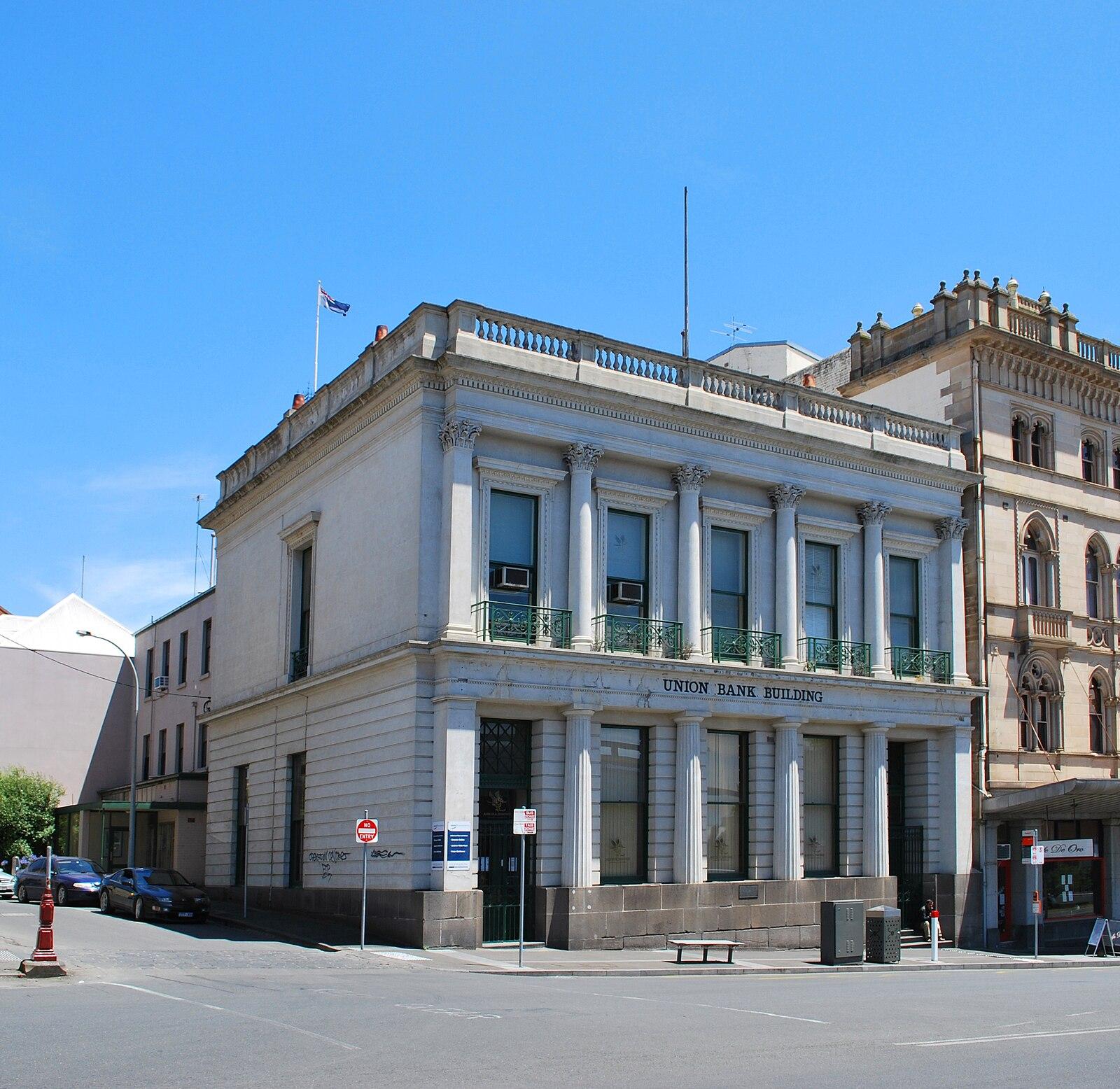
Residents of Ballarat continue to grapple with growing concerns over traffic congestion and public transport reliability, revealing a spectrum of everyday impacts across the city. From the suburban streets around Lake Wendouree to the commercial hubs near Sturt Street, voices from the community highlight a mix of frustration, adaptation, and cautious hope for improvements.
Why Transport Issues Matter to Ballarat Residents
Ballarat’s expanding population has placed increasing pressure on its transport infrastructure, making road congestion and public transport reliability a daily concern. As one of Victoria’s key regional centres, challenges in traffic flow and transit options not only affect commuter experiences but also have broader implications for local businesses, healthcare access, and tourism.
Community Experiences: From Streets to Stations
In suburbs such as Wendouree and Delacombe, residents report longer commute times as morning and afternoon traffic bottlenecks become more frequent. Parents dropping children at local schools describe turning to alternate routes to avoid problem intersections, which in turn pushes congestion onto smaller residential streets.
Business owners around the Main Road and Lydiard Streets corridors have also voiced concerns about delivery delays and customer access issues during peak times. Some have noted that these disruptions affect their ability to meet customer demand efficiently, especially on weekends when regional visitors come to enjoy Ballarat’s heritage sites.
Meanwhile, at Ballarat’s railway station, commuters express mixed views. Many welcome the region's efforts to improve rail services but remain wary about the current frequency and punctuality of trains, which sometimes force reliance on personal vehicles or buses. This tension reveals an ongoing need for transport strategies that better integrate various travel modes.
The local public health system’s capital projects, such as those at Ballarat Health Services, reinforce the importance of reliable transport for staff and patients alike, although traffic constraints complicate access during shift changes and appointment peak hours.
Tourism remains a critical component of Ballarat’s economy, with Sovereign Hill dependent on smooth transport connections to draw visitors. Delays or inconsistent service levels on regional roads can indirectly hinder these industry outcomes.
Across these different facets, community feedback stresses the significance of addressing transport not simply as an infrastructure issue but as a quality-of-life matter that touches everyday routines and economic vitality.
Without specific new data points or formal announcements in the present coverage, the details gleaned from community sentiment paint a vivid picture of current challenges and aspirations.
Looking Ahead: Navigating Next Steps
While regional rail frequency debates continue at the state level, local stakeholders suggest that small-scale, tangible improvements could provide immediate relief. These might include smarter traffic signal management, improved pedestrian crossings, and enhanced coordination of bus services to complement train timetables.
Community forums and consultations remain important avenues for Ballarat residents to raise their voices, advocate for connected transport planning, and contribute to shaping a system responsive to local needs.
For now, affected community members are encouraged to stay engaged with council updates, participate in public transport user groups, and consider flexible travel arrangements where possible to mitigate peak-hour pressures.