Ballarat Property Values Rise as Regional Demand Reshapes Housing Market
Tenants and landlords respond to sales market conditions in a regional city with established heritage stock and population growth.
How we report this▾
Our reporters are based in Ballarat and cover local government, business and community. We are independently owned and editorially independent. Content is provided for general information only and is not professional, legal, financial, or medical advice. Read our editorial standards →
Ballarat Central records a median house price of $677,500 and a median unit price of $430,000, alongside 15.3 per cent compound house growth over the last 12 months. These sales figures provide the measurable backdrop for how owners and renters interact with the local housing supply.
Why Current Conditions Matter
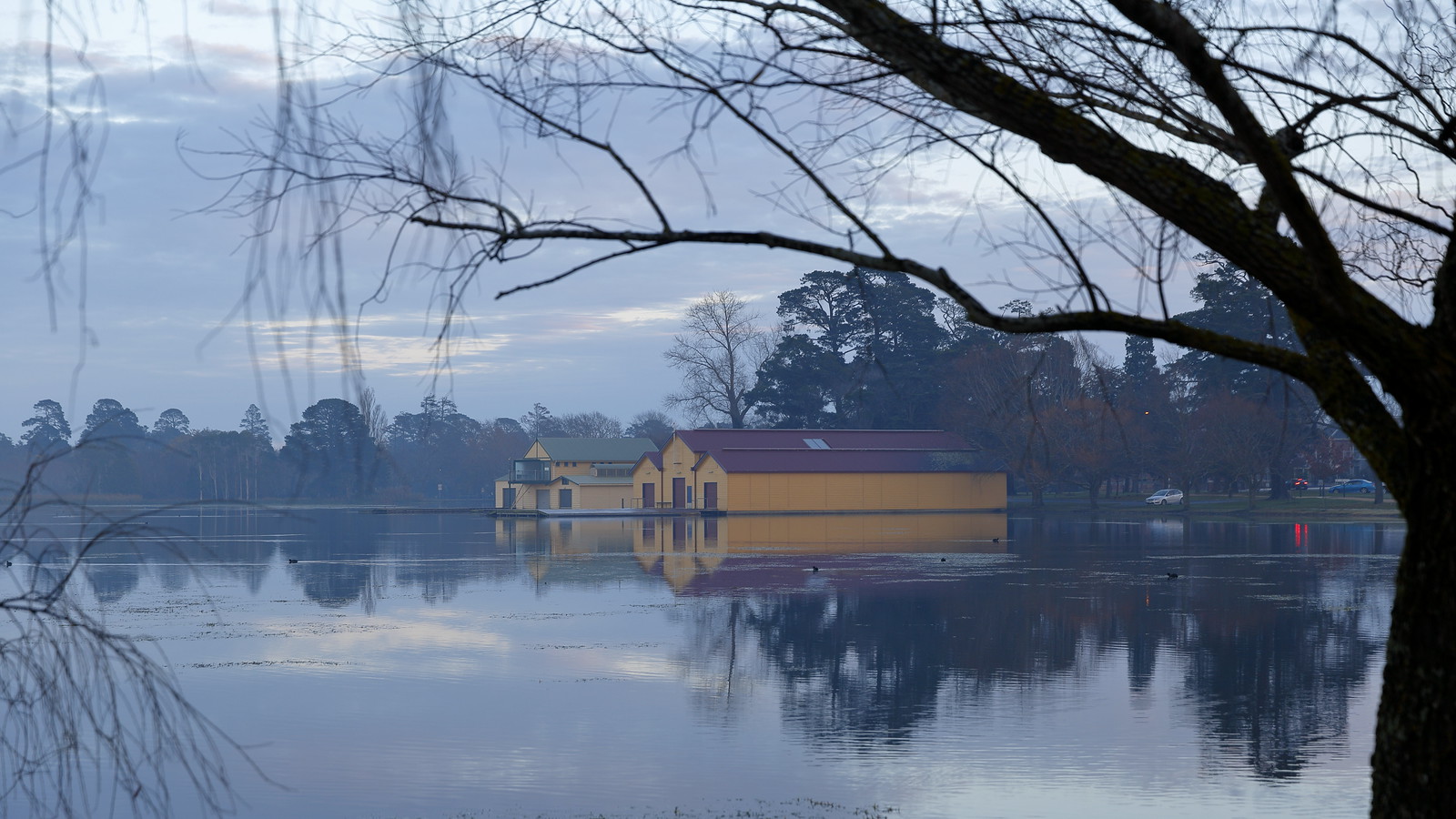
Ballarat sits approximately 115 km northwest of Melbourne on the Yarrowee River. Its population stands at just over 117,000 and is projected to reach 144,600 by 2036. This trajectory, paired with the city’s two Major Activity Centres in the CBD and at Lake Wendouree plus eleven neighbourhood activity centres, keeps demand for housing steady across established suburbs.
Heritage Suburbs and Housing Styles
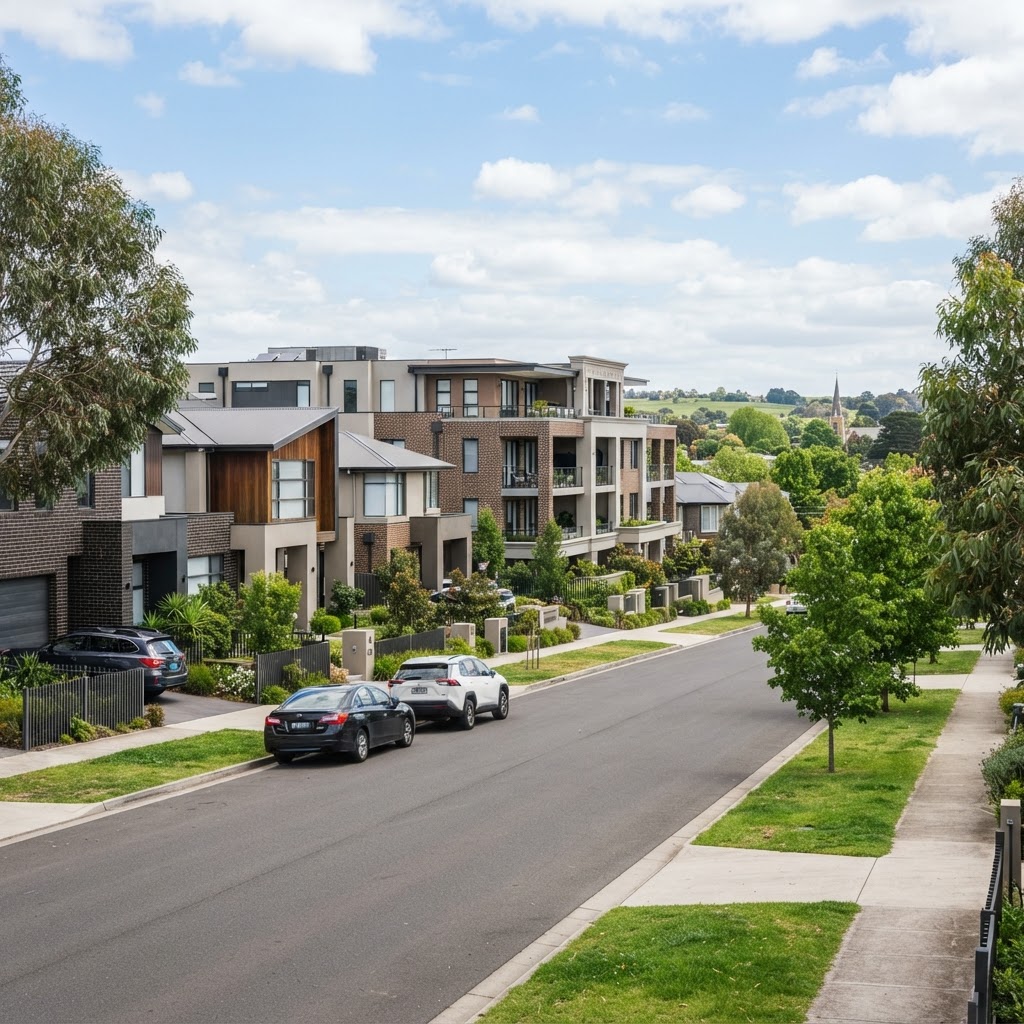
Soldiers Hill, Ballarat’s earliest planned suburb established in the 1850s, sits under a full heritage overlay. Its leafy streets and 19th-century homes, alongside Victorian terraces and Federation homes found elsewhere, form a large part of the rental stock. Landlords maintain these properties under overlay rules, while tenants seek the character these dwellings provide.
Supported Evidence from Sales Data
The 15.3 per cent compound growth recorded for Ballarat Central houses over the past year reflects owner-side returns. Where properties achieve these prices, landlords weigh rental returns against capital values, and tenants weigh weekly costs against the limited supply of comparable heritage stock in protected areas.
Ballarat is also forecast to become Victoria’s largest energy supplier by 2040 through its wind farming sector, with rail, health and education upgrades continuing. These infrastructure elements support ongoing population movement into the city and sustain interest in both owned and rented dwellings near the CBD and Lake Wendouree activity centres.
Owners and renters therefore operate within the same supply constraints created by heritage protections and measured sales growth. No new timelines or specific rental figures are available from current records, yet the documented median prices and population projections indicate the market framework that shapes decisions for both groups.
This article is general information only and is not personal financial or investment advice. Consider your own circumstances and seek licensed professional advice before making financial decisions.